


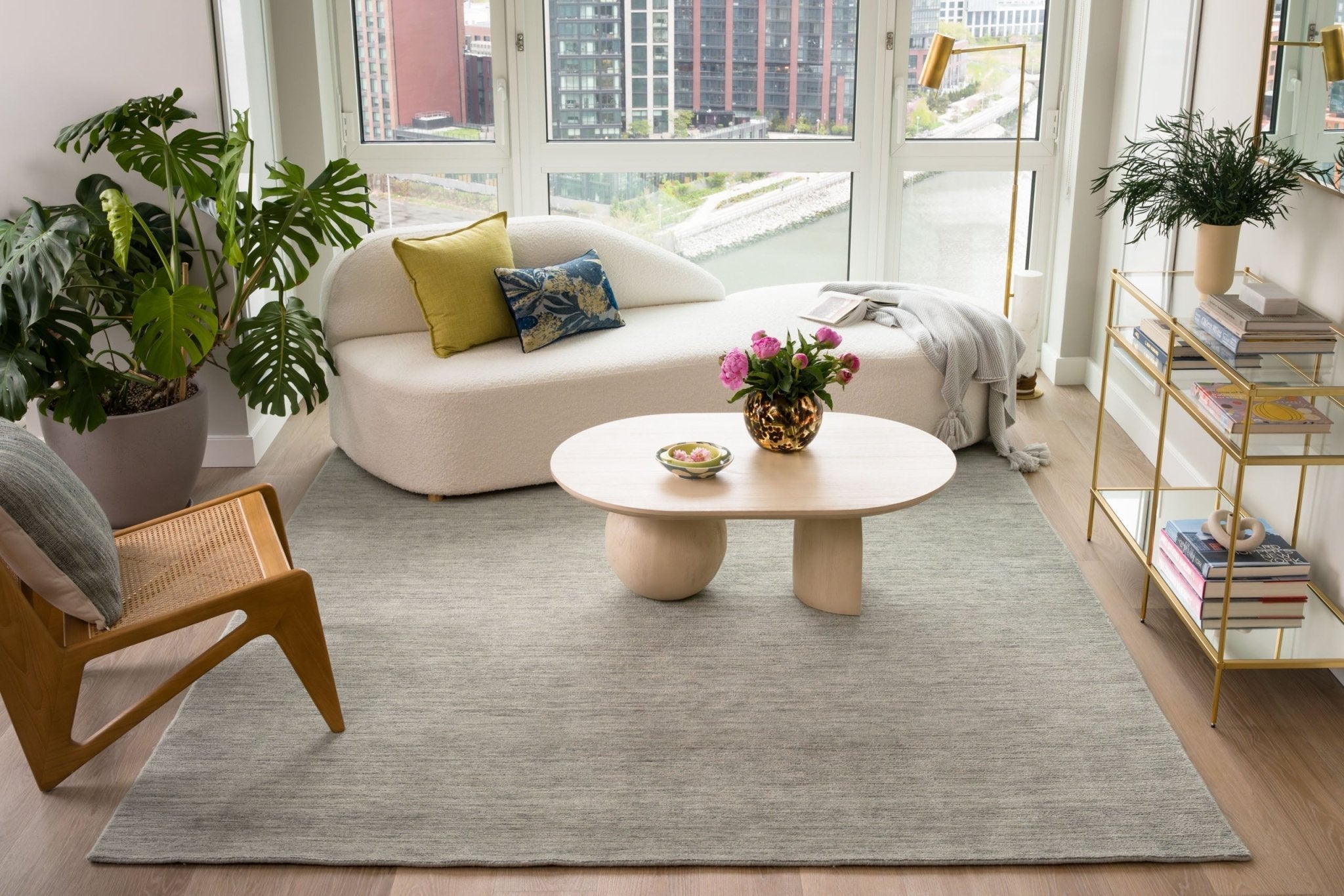
How to Choose a Rug the Way a Designer Would
By NuStory
There's a reason the rug is always the first thing a designer specifies for a room. Before the sofa is chosen, before the curtains are hung, before a single paint swatch goes on the wall, the rug goes down first. It sets the tone, the scale, the warmth, and the direction for everything that comes after.
Most people do it the other way around. They furnish the room, then search for a rug to pull it all together. The result is often a rug that fits but never quite lands. Something feels off, even when nothing is technically wrong.
The good news is that the designer approach is not complicated. It just requires knowing a few things before you shop.
Start with the rug. Build around it.
Designers treat the rug as the foundation of the room, not the finishing touch. When you start with the rug, every decision that follows becomes easier. The sofa color, the throw pillows, the curtain weight, they all have something to respond to.
If you already have furniture you love, that is fine. Look at what you have and ask: what is missing? What would make this room feel warmer, more grounded, more finished? The rug is almost always the answer.
Size up.
The most common rug mistake is going too small. A rug that is undersized floats in the center of a room and makes the space feel smaller, not larger.
The rule designers use: in a living room, at least the front legs of every piece of seating should rest on the rug. In a dining room, the rug should be large enough that chairs remain on it even when pulled out from the table. In a bedroom, the rug should extend at least 18 to 24 inches beyond the sides and foot of the bed so your feet land on softness every morning.
When in doubt, go one size up. You can always layer a smaller rug on top. You cannot make a too-small rug look bigger.
Let texture and pattern work together.
There are no rules about pattern. A bold geometric can anchor a neutral room. A subtle tone-on-tone weave adds depth without competing. The question is not whether to choose pattern but what role you want the rug to play.
What designers pay close attention to is texture. A hand-knotted or hand-tufted rug has a presence that a machine-made or printed rug cannot replicate. The pile catches light differently. It softens underfoot. It makes a room feel considered.
Think about how the rug will work with the other textures in the space. Smooth leather sofa, rough linen curtains, warm wood floors. The rug is what brings those materials into conversation with each other.
Know your construction.
Not all handcrafted rugs are the same, and understanding the difference helps you choose with confidence.
Hand-knotted rugs are the most labor-intensive and the most durable. Each knot is tied individually, which creates a dense, long-lasting pile. These are rugs that age well and improve with time.
Hand-tufted rugs are made by punching yarn through a canvas backing. They have a plush feel and a rich look at a more accessible price point. They work beautifully in bedrooms and living rooms where comfort is the priority.
Hand-loomed rugs are woven on a loom rather than knotted or tufted. They tend to be flatter, more structured, and highly durable, well-suited to dining rooms, entryways, and high-traffic areas.
Knowing which construction is right for your space narrows the field considerably and makes the decision feel far less overwhelming.
The rug becomes the solution.
When you approach a room the way a designer does, starting with the rug, sizing correctly, choosing texture and construction intentionally, something shifts. The room does not just look better. It feels better. More considered. More like a place someone actually lives.
That is what we build every rug at NuStory to do. Not to sit under the furniture. To anchor the room.
Ready to find yours? Shop Now.
Read more
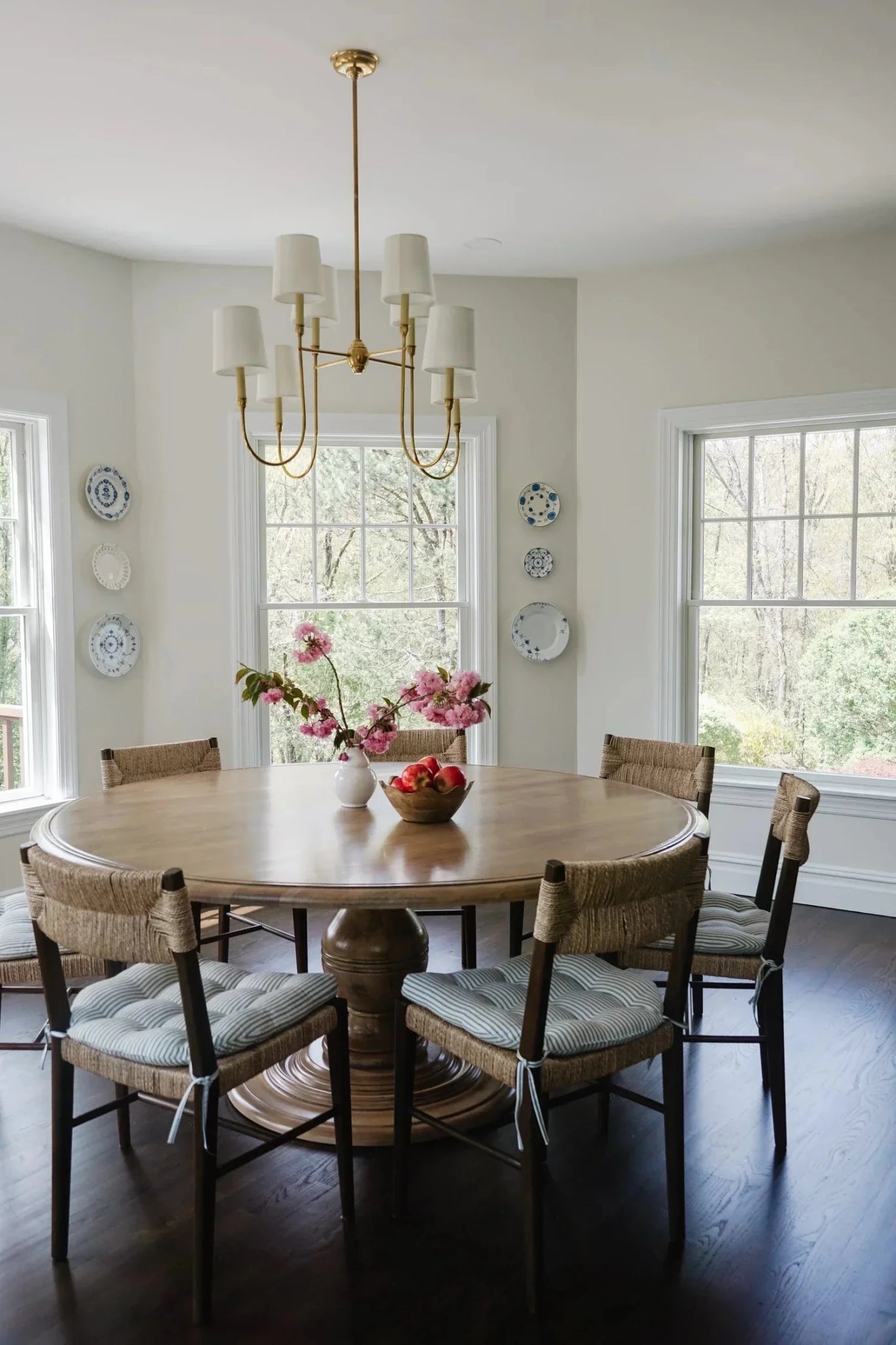
Designer Stories: Katie Jacobs of Katie Lee Interiors
Here at NuStory we love to spotlight rising design talent and we are thrilled to sit down today with Katie Jacobs of Katie Lee Interiors. Before launching her New York-based interior design firm,...
Read more
The New York Neighborhood Series
By NuStory A rug, like a neighborhood, is a matter of character. Some are quiet and assured. Some are layered and a little loud. All of them, the good ones anyway, know exactly what they are. The N...
Read more